Seasonal eating can sound like one more standard to meet: the right produce, from the right farm, prepared in the right way. At The Regenerative Table, it means something much gentler. It is an invitation to notice what is growing, what your body is asking for, and what kind of nourishment fits the life you are actually living.
You do not need a perfect garden, a weekly farmers market ritual, or a kitchen full of unfamiliar ingredients. Seasonal eating can begin with one small question:
What is abundant, appealing, and available right now?
Why seasons belong at the table
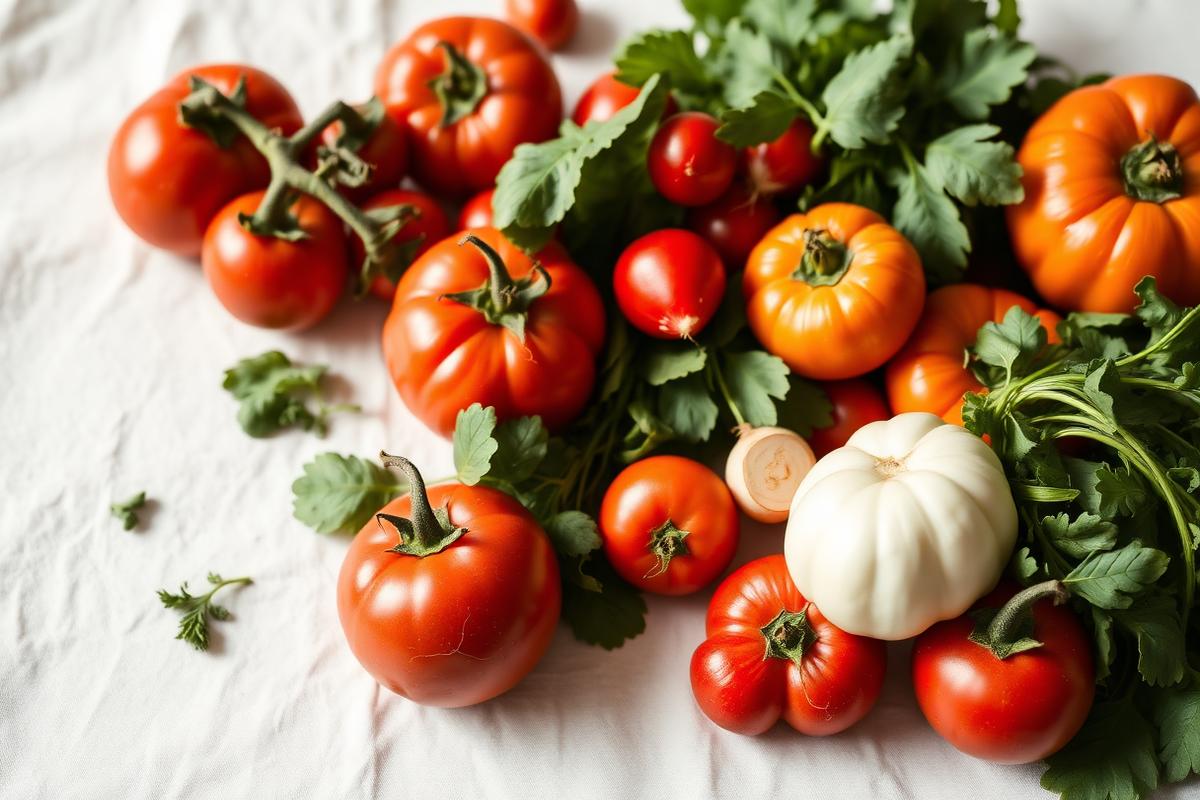
Nature does not offer the same menu all year. Tender greens and berries arrive with longer days. Tomatoes, melons, and stone fruit meet the warmth of summer. Cooler months bring roots, squash, apples, citrus, beans, grains, soups, and foods that welcome slower cooking.
This rhythm can help us vary what we eat. Variety matters because different foods offer different combinations of nutrients, fiber, color, texture, and flavor. Seasonal shopping can also reconnect us with local growers, place, weather, and the simple pleasure of anticipation.
But seasonal eating is not a test of purity. Frozen vegetables, canned beans, packaged greens, and produce grown elsewhere can all be useful, nourishing choices. The goal is not to shrink your options. It is to become more awake to them.
Begin with what is easy
Try one of these low-pressure starting points:
- Choose one seasonal anchor. Pick one fruit or vegetable that looks especially good and build a meal around it.
- Let color guide you. Instead of memorizing nutrient charts, invite two or three natural colors onto the plate.
- Use a familiar format. Put seasonal ingredients into something you already know how to make: soup, salad, tacos, pasta, roasted vegetables, eggs, oatmeal, or a grain bowl.
- Keep reliable backups. Frozen vegetables, canned tomatoes, lentils, rice, broth, and herbs make seasonal cooking more realistic.
- Repeat without apology. A nourishing meal does not have to be novel. Repetition can make food feel steady and accessible.
A simple seasonal formula
When planning a meal, choose:
- One seasonal vegetable or fruit
- One satisfying source of protein
- One grain, root, bread, or other carbohydrate that works for you
- One flavorful fat, sauce, herb, or dressing
- One element of pleasure: crunch, warmth, acidity, spice, color, or a favorite garnish
This is a flexible framework, not a prescription. Add, remove, or substitute according to your needs, culture, budget, allergies, and guidance from your healthcare team.
The practice of noticing
Before you shop, pause for thirty seconds:
- What is the weather asking for?
- What textures sound comforting?
- What is already in the refrigerator?
- How much energy do I realistically have for cooking?
- Would something fresh feel good, or would something warm and soft be more supportive?
These questions place relationship back at the center of nourishment. They help us respond rather than obey.
Sources & further reading
External links open in a new tab. Referenced sources support background reading and do not sponsor The Regenerative Table.