Morning routines are often built like productivity contests. Wake early. Drink something special. Exercise. Journal. Meditate. Complete a list before the rest of the world begins.
But the first hour of the day does not need to prove anything. It can simply help us arrive.
Light is one of the signals that helps the body distinguish day from night. Meeting natural morning light, when practical, can become a simple cue that the active part of the day is beginning. It does not require staring at the sun, buying a device, or following a rigid schedule.
Begin with orientation
Before opening messages or asking the mind to solve the day, take a few seconds to locate yourself.
Notice:
- What time of day is it?
- What is the weather doing?
- How does the room feel?
- What is the first responsibility that truly matters?
- What pace is realistic today?
Orientation can interrupt the sensation of waking directly into urgency.
Let light enter safely
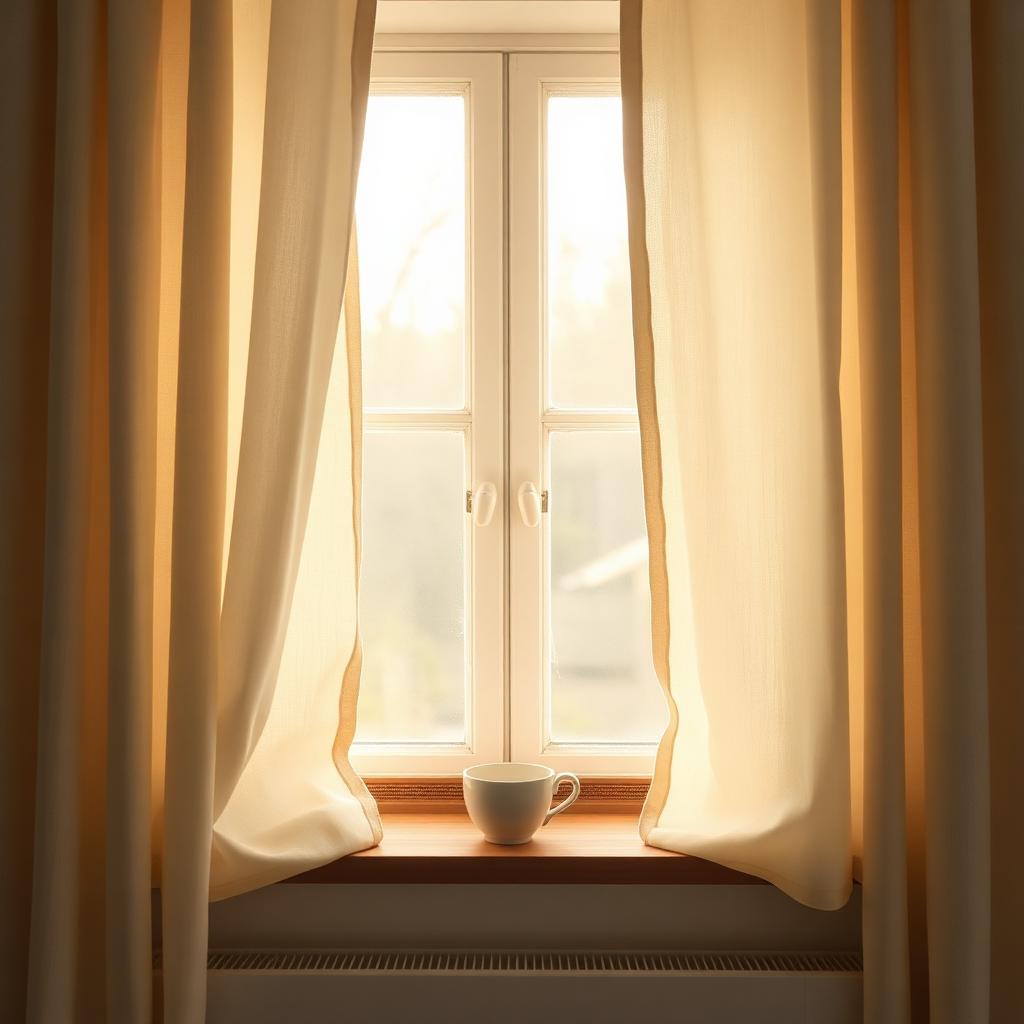
If accessible, open curtains or blinds soon after waking. Sit near a bright window or step outdoors for a few minutes. Let your eyes receive ordinary ambient daylight without looking directly at the sun.
Weather, season, work schedules, mobility, migraines, eye conditions, and living environments can all affect what is possible. A cloudy morning is still morning. A window is still a beginning. Shift workers will need different cues than people who sleep at night.
No single ritual is morally superior. We are simply helping the environment tell the body, gently and repeatedly, “A new part of the day has begun.”
Pair light with one nourishing action
Choose one:
- Drink water
- Eat breakfast or prepare food for later
- Take prescribed medication
- Step outside with tea
- Stretch hands, shoulders, or feet
- Open a window if the weather and air quality allow
- Name the three most important parts of the day
The pairing matters because habits are easier to remember when they travel together.
Protect the ritual from perfection
Create three versions:
- Full version: Ten quiet minutes outdoors with a drink and no phone.
- Ordinary version: Open the curtains, stand near the window, and take several comfortable breaths.
- Minimum version: Look toward the daylight and say, “Morning is here.”
All three count. A ritual remains trustworthy when it can change size without disappearing.
When mornings are difficult
Not everyone experiences morning as hopeful. Pain, grief, depression, disrupted sleep, caregiving, work demands, and anxiety can make the beginning of the day especially heavy. Morning light is not a treatment for these experiences, and struggling to begin is not a personal failure.
If sleep, mood, fatigue, or morning functioning is persistently difficult, consider speaking with an appropriate licensed healthcare professional.
Sources & further reading
External links open in a new tab. Referenced sources support background reading and do not sponsor The Regenerative Table.