Movement is often framed as a debt: something we owe because we ate, rested, aged, changed size, or failed to be disciplined enough yesterday.
At The Regenerative Table, movement is not repayment. It is a conversation.
The body communicates through energy, tension, pleasure, hesitation, breath, balance, soreness, restlessness, and pain. Movement that listens back responds to these signals rather than overriding them for the sake of a number.
Begin below your maximum
A supportive movement practice does not need to exhaust you to count. It may look like:
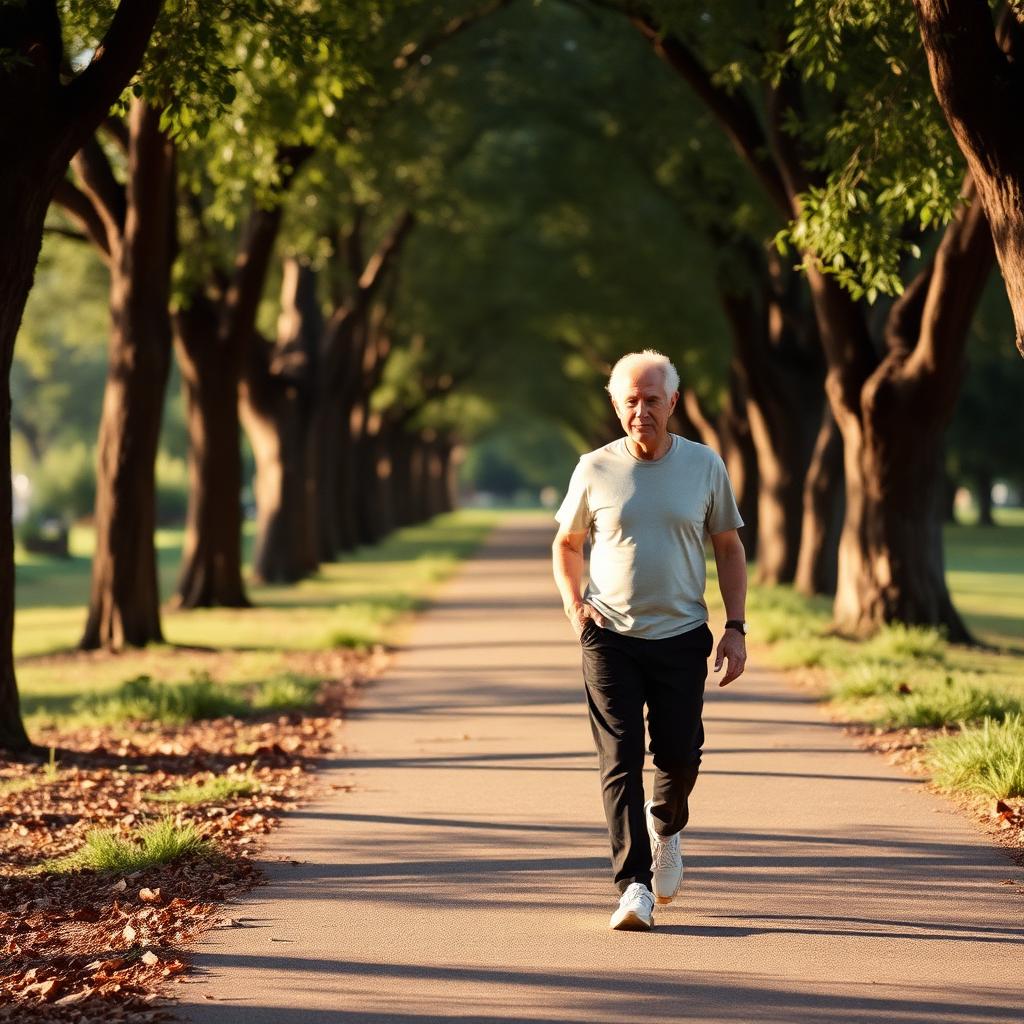
- A short walk
- Gentle stretching
- Standing and sitting several times
- Reaching overhead
- Moving the ankles and feet
- Gardening
- Dancing to one song
- Carrying groceries
- Playing with a child
- Restorative or adapted movement
Intensity is only one quality of movement. Consistency, enjoyment, mobility, strength, coordination, confidence, and connection also matter.
Use a three-part check-in
Before moving, ask:
- What is present? Energy, stiffness, pain, agitation, calm, heaviness?
- What feels available? Five minutes, a walk, seated movement, rest?
- What would supported feel like? Slower, warmer, steadier, accompanied, outdoors?
After moving, ask:
- What changed?
- What stayed the same?
- What would I repeat or adjust next time?
This turns movement into information rather than judgment.
Make room for circulation and transition
The lymphatic system is part of the body’s fluid and immune system, and ordinary muscle activity helps move fluid through the body. There is no need to market normal movement as a dramatic “detox.” Walking, changing position, comfortable breathing, and everyday activity can simply be understood as parts of a living body’s regular motion.
Claims that a specific routine can flush toxins, cure illness, or guarantee lymphatic drainage should be treated cautiously. People experiencing new or persistent swelling, redness, heat, pain, shortness of breath, or other concerning symptoms should seek appropriate medical evaluation.
Build movement into the landscape
Instead of relying entirely on motivation:
- Place comfortable shoes near the door.
- Keep a resistance band or mat visible if you use one.
- Stand or change position during a familiar transition.
- Walk while speaking with a friend.
- Put on one song while preparing dinner.
- Choose stairs only when they are safe and appropriate.
- Schedule movement with someone whose company you enjoy.
Environment can make movement more available without turning the home into a gym.
Rest belongs inside movement
Rest is not the opposite of a movement practice. It is part of how the practice becomes sustainable. Pain, illness, recovery, disability, pregnancy, medication effects, and changing energy may require adaptation or professional guidance.
Stop and seek medical care for symptoms such as chest pain, faintness, sudden severe shortness of breath, or other urgent concerns. If you have a medical condition, recent injury, significant pain, or prolonged inactivity, ask an appropriate licensed professional what movement is safe for you.
Sources & further reading
External links open in a new tab. Referenced sources support background reading and do not sponsor The Regenerative Table.